
ARTIST
アーティスト
アーティスト
ARTIST
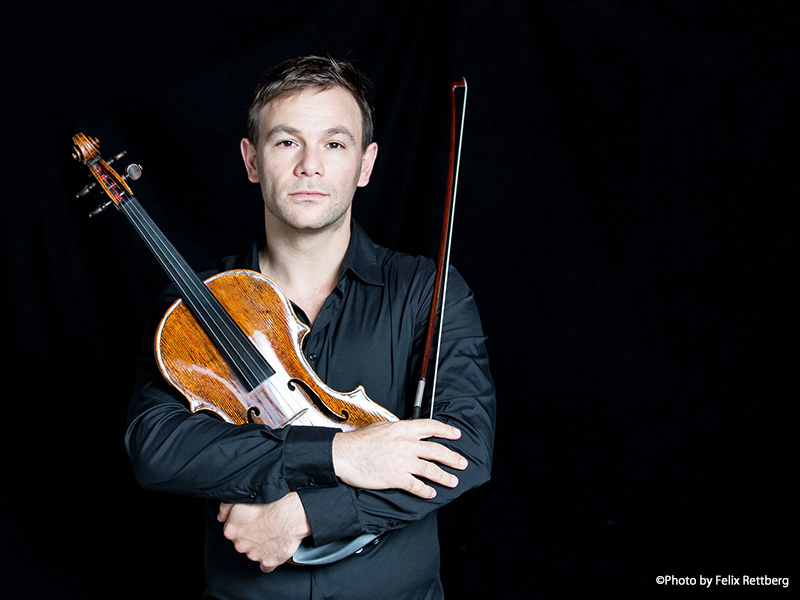
アミハイ・グロス(ヴィオラ )
これまでに独自のキャリアを築いてきており、1995年にエルサレム・カルテットを結成、その後2010年には名門ベルリン・フィルハーモニー管弦楽団の首席ヴィオラ奏者に就任した。その後まもなくソロ演奏へと多く招かれ、さらに近年は数多くの指揮者と共演している。ズービン・メータ、ダニエル・バレンボイム、サイモン・ラトル、トゥガン・ソヒエフ、クラウス・マケラ、ナタリー・シュトゥッツマン、インゴ・メッツマッハー、リオネル・ブランギエ、アリエル・ズッカーマン等である。これまでにソリストとして共演したオーケストラには、フィンランド放送交響楽団、ワルシャワ国立フィルハーモニー管弦楽団、デンマーク国立交響楽団、スウェーデン放送交響楽団、東京都交響楽団、バルセロナ交響楽団、アイルランド国立交響楽団、チューリッヒ室内管弦楽団等が挙げられる。
Amihai Grosz(Viola)
Amihai Grosz, born in 1979 in Jerusalem, Israel, initially learned to play the violin at the age of 5, before switching to the viola at age 11. In Jerusalem, he was taught by David Chen, later by Tabea Zimmermann in Frankfurt and Berlin as well as in Jerusalem by Haim Taub, who had a formative influence on him. Between 1993 and 1999, Amihai Grosz received scholarships through the American-Israeli Cultural Foundation and was a member of the “Young Musicians Group” of the Jerusalem Music
続きを見る
最近の主な活動としては、ジャナンドレア・ノセダ、アウグスティン・アデリクと共演したジョージアの第1回ツィナンダリ・フェスティバルへの出演、パン・コーカサス・ユース・オーケストラとのモーツァルト《ヴァイオリンとヴィオラのための協奏交響曲》等がある。同曲は、2023年にも有名なヴェルビエ音楽祭の30周年記念公演において、長年の共演者であるジャニーヌ・ヤンセンとともに再演した。24年初めには、ダニエル・ハーディングとヴィルデ・フラングとともに、広州市の星海コンサート・ホール、深セン・コンサート・ホール、香港文化センターをツアーで廻った。これはグレーター・ベイ・エリア(大湾区)における2024ユース・ミュージック・カルチャーの一環であり、中国全土から100人以上の若手音楽家が集まって2週間にわたる教育研修が行なわれた。
24/25年シーズンにとりわけ注力したのは、名門ベルリン・フィルハーモニー管弦楽団との2つの非常に特別なコラボレーションである。すなわち、2024年9月に楽団の自主レーベルからリリースされたウォルトンとマルティヌーのヴィオラ協奏曲で、サイモン・ラトルとマティアス・ピンチャーが各指揮を務める録音、それから韓国の作曲家シン・ドンフンに新たに委嘱されたヴィオラ協奏曲で、トゥガン・ソヒエフ指揮による待望の世界初演である。
今もなお、室内楽における共演を非常に好んでおり、これまでに共演したアーティストには、イェフィム・ブロンフマン、内田光子、ダニエル・ホープ、エリック・ル・サージュ、ジャニーヌ・ヤンセン、ユリアン・シュテッケル、樫本大進、ダヴィド・ゲリンガス等がいる。国際的には、最も著名なコンサート・ホールに定期的に出演しており、アムステルダムのコンセルトヘボウ、チューリッヒのトーンハレ、ウィグモア・ホール、ルクセンブルク・フィルハーモニー等の他、主要な音楽祭としては、シュレースヴィヒ=ホルシュタイン、エヴィアン、ヴェルビエ、デルフトの各音楽祭、BBCプロムス、ユトレヒト国際室内楽音楽祭等がある。
アルファ・クラシックス・レーベルと専属契約を結んでおり、23年秋にリリースされた初の協奏曲アルバムには、アレクサンドル・ブロック指揮リール国立管弦楽団とのバルトークのヴィオラ協奏曲が収録されている。同レーベルの次回作は、24年後半にリリース予定で、ヴァイオリニストのジュリアン・ショーヴァンと、評判の古楽アンサンブル「ル・コンセール・ドゥ・ラ・ロージュ」とともに収録したモーツァルト《ヴァイオリンとヴィオラのための協奏交響曲》である。
最初はヴァイオリンを習い、11歳の時にヴィオラを弾き始める。エルサレムでデイヴィッド・チェンに師事、その後フランクフルトとベルリンでタベア・ツィンマーマンに、テルアビブでハイム・タウブに師事した。ハイム・タウブには、特に影響を受けている。非常に幼い頃から様々な助成金や賞を受け、優れた若き音楽の才能のためのプログラムであるエルサレム・ミュージック・センターによる「ヤング・ミュージシャンズ・グループ」のメンバーでもあった。ベルリンを拠点に活動しており、使用楽器は個人コレクションから終生貸与された1570年製ガスパロ・ダ・サロのヴィオラ。
more read
Center, a program for outstanding young musical talents. This gave him the opportunity, at a very young age, to work with renowned artists such as Isaac Stern or the Guarneri Quartet. As early as 1996, he won 1st prize in the Braun Roger Siegel Competition of the University of Jerusalem. In 2007, he received the renowned Gottesman Prize for Viola in the Aviv Competition, the most prominent competition in Israel (comparable to the ARD Competition in Germany).
The fascination with the viola, which he consciously chose as his instrument as a child, stems from the instrument’s ambivalence. According to Grosz, its sound is the closest thing to the human voice, and can at times sound like a violin, at other times like a violoncello; its timbre is not defined. Grosz’ musical background corresponds to this “non-defined” aspect: In Israel, there was not only one school of teaching; instead, young musicians were shaped by Mediterranean influences and by Russian and German traditions, while their curiosity to discover new things was constantly fostered.
For Amihai Grosz, chamber music is the foundation of his work. In 1995, together with the other section leaders from the university orchestra of the Jerusalem Music Center, he founded the Jerusalem String Quartet, one of the most interesting young quartets around today. From the very beginning, the four musicians aimed to create a distinctive sound, to find a language with its own individual character. The Jerusalem Quartet, which early on won the Borletti Buitoni Trust Award, gained its central musical stimuli in master classes taught by Isaac Stern, the LaSalle Quartet, the Emerson String Quartet and by Frank Peter Zimmermann. Every year, the Quartet awards a composition commission to an Israeli composer. The ensemble gives concerts at all major international venues - the Tonhalle Zurich, the Wigmore and the Queen Elizabeth Hall in London, the Concertgebouw in Amsterdam and the Sydney Opera House, to name just a few. The Quartet has an exclusive contract with the label Harmonia Mundi. A number of recordings have been awarded international prizes like the BBC Music Magazine chamber award or the ECHO Classic Award 2009.
Amihai Grosz works, in solo and in chamber music projects, with artists such as Yefim Bronfman, Emmanuel Pahud, Mitsuko Uchida, Oleg Maisenberg, Janine Jansen, Julian Rachlin and David Geringas; he performs in concert houses and at festivals all over the world, including at the Jerusalem Chamber Music Festival, Delft Festival, Salon Festival and Verbier Festival, at the BBC Proms, in the Bahnhof Rolandseck, at the Utrecht International Chamber Music Festival, at Spectrum Concerts Berlin and at the West Cork Chamber Music Festival.
After 10 years of professional work, 2010 marks the start of something new for Amihai Grosz: Beginning in the 2010/11 season, Grosz is the Principal Violist with the Berliner Philharmoniker, an orchestra with which he has worked on various projects in recent years.
Additionally, Amihai Grosz intends to devote more of his time to his solo career. Until now he could be heard playing with internationally renowned orchestras such as Daniel Barenboim’s West-Eastern Divan Orchestra or the Jerusalem Symphony Orchestra. In the upcoming season, concerts are planned at the Valencia Opera House, in the Concertgebouw in Amsterdam, the Megaron in Athens and with the Israel Philharmonic Orchestra.
Amihai Grosz plays a Gaspar-da-Salo viola from the year 1570, which is a lifelong loan made available to him by a private collection.
出演公演
PARTICIPATING PERFORMANCES
20270409
浜離宮朝日ホール 音楽ホール
ベルリン・フィルのメンバーによる室内楽
20270409
Hamarikyu Asahi Hall
Chamber Music with Members of the Berliner Philharmoniker
20270410
浜離宮朝日ホール 音楽ホール
トウキョウ・ミタカ・フィルハーモニア
ノア・ベンディックス=バルグリー(ヴァイオリン)、アミハイ・グロス(ヴィオラ)を迎えて
20270410
Hamarikyu Asahi Hall