
ARTIST
アーティスト
アーティスト
ARTIST
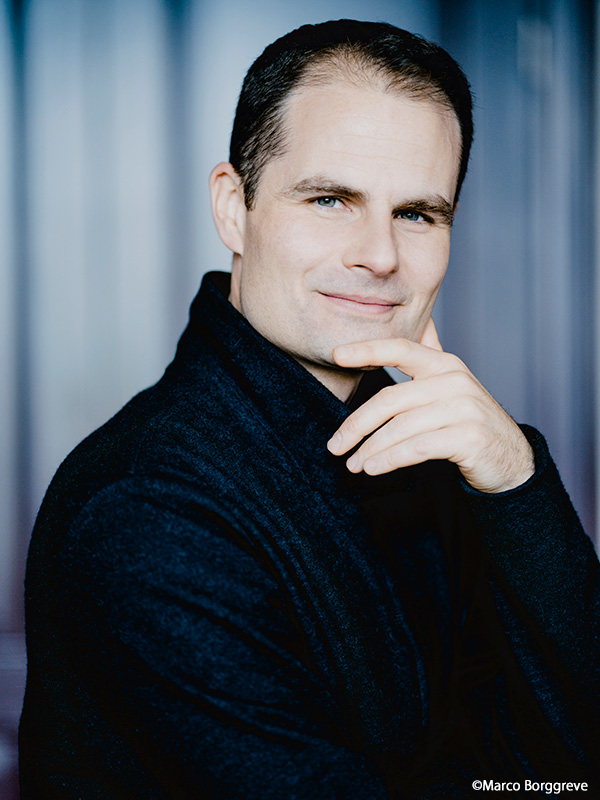
コンスタンティン・トリンクス(指揮 )
カールスルーエ生まれ。今日最も熱心なワーグナーを得意とする指揮者の一人として広く称賛され、伝統的な古典派から20世紀のポスト・ロマン派時代までを通じて、特にオーストリア=ドイツのレパートリーとの相性の深さで知られる。
Constantin Trinks(Conductor)
Born in Karlsruhe, Constantin Trinks is widely acclaimed as one of today's most committed and expert Wagner conductors and particularly noted for his deep affinity for the Austro-Germanic repertoire from the Classical tradition through to the twentieth century post-Romantic period.
続きを見る
ヨーロッパの主要な歌劇場や音楽祭で指揮をしており、ロンドンのロイヤル・オペラ・ハウス、バイエルン国立歌劇場、ベルリン・ドイツ・オペラ、ライプツィヒ歌劇場、ハノーファー州立歌劇場、アン・デア・ウィーン劇場、スウェーデン王立歌劇場、ノルウェー国立歌劇場、シアトル・オペラ、ローマ歌劇場、サン・カルロ劇場、ドレスデンのゼンパー・オーパー、東京の新国立劇場、チューリッヒ歌劇場、ストラスブールのラン国立オペラ、パリ国立オペラ、グラインドボーン音楽祭等が挙げられる。そのレパートリーはオペラ30作品以上にも及び、《ニーベルングの指環》、《パルジファル》、《ローエングリン》、《トリスタンとイゾルデ》、《影のない女》、《サロメ》、《ドン・ジョヴァンニ》、《魔笛》等がある。また交響楽の演奏者としても人気で、ミュンヘン室内管弦楽団、MDRライプツィヒ放送交響楽団、リンツ・ブルックナー管弦楽団、ヨーテボリ歌劇場管弦楽団、サン・カルロ劇場等を指揮している。
近年の主な出演としては、クラウス・グート演出による《影のない女》でベルリン国立歌劇場にデビューした他、《ジークフリート》でライプツィヒ歌劇場、《ローエングリン》でベルリン・ドイツ・オペラ、《タンホイザー》と《ニーベルングの指環》でソフィア歌劇場にそれぞれ再登場した。また2024年には待望のグラインドボーン音楽祭にデビューして成功を収め、アンドレ・バルブ&ルノー・ドゥセ演出による《魔笛》でエイジ・オブ・インライトゥメント管弦楽団を指揮した。
25/26年シーズンは、《ドン・ジョヴァンニ》でジェノヴァ・カルロ・フェリーチェ劇場、《パルジファル》でハンガリー国立歌劇場にそれぞれデビューを果たした他、バンクーバー交響楽団とジョルジェ・エネスク・フィルハーモニー管弦楽団に再登場した。また、新制作の「帝国の舞踏会(インペリアル・ボール)」でジュネーブ大劇場やアン・デア・ウィーン劇場のヨハン・シュトラウス・フェスティバル、新制作のロルツィング《レジーナ》でライプツィヒ歌劇場を率いた。26年1月には、《ドン・ジョヴァンニ》を指揮してバイエルン国立歌劇場に再登場、同歌劇場との緊密な関係を続けた。同歌劇場ではこれまでに《フィデリオ》、《こうもり》、《ローエングリン》、《パルジファル》、《ホフマン物語》、《ばらの騎士》、《アラベラ》、《後宮からの誘拐》、《コジ・ファン・トゥッテ》等を指揮している。また、アニヤ・ハルテロスが主演した同歌劇場の《アラベラ》公演を指揮、パリのシャンゼリゼ劇場にも巡演した。
26/27年シーズンは、10月に《後宮からの誘拐》を指揮してウィーン国立歌劇場へ再登場、続いて27年5月と6月には《アラベラ》を指揮する。またカリスト・ビエイト演出による新制作のR.シュトラウス《サロメ》でリヨン歌劇場を指揮、さらにエッセン・フィルハーモニー管弦楽団とトゥールーズ・キャピトル国立管弦楽団とのコンサートも予定されている。
数々の受賞歴を誇るディスコグラフィーには、ヘンスラー・プロフィール・レーベルからリリースされたフランクフルト放送交響楽団とのペテルセン「交響曲第3番」(世界初録音)があり、これは2023年度オーパス・クラシック賞の「最優秀交響楽録音賞」を受賞した。また同じくヘンスラー・プロフィールでモーツァルテウム管弦楽団とライブ録音したロット「交響曲第1番」は、2017年度エコー・クラシック賞を受賞している。その他録音されたレパートリーのなかには、ベートーヴェン、ブラームス、プフィッツナー、ブラウンフェルス等のピアノ協奏曲の他、モーツァルトの交響曲第32番と第29番、ウェーバー《オイリアンテ》、ヴァインベルゲル《バグパイプ吹きシュヴァンダ》等がある。
故郷の音楽院で、指揮をヴォルフ=ディーター・ハウシルトと大野和士に、ピアノをギュンター・ラインホルトに学んだ。02年にカペルマイスターとしてザールラント州立劇場に加わり、06~09年にかけて臨時の音楽監督となった。09~12年まではダルムシュタット州立劇場の音楽監督を務め、同劇場では批評家から高く評価された自身初の《ニーベルングの指環》をはじめ、《ニュルンベルクのマイスタージンガー》、《パルジファル》、《フィデリオ》、《アイーダ》、そして《時の終わりの劇》と組み合わせたオルフ《犠牲》の世界初演等を指揮した。
more read
Trinks has conducted at many of Europe’s leading opera houses and festivals, including the Royal Opera House, London; Bayerische Staatsoper; Deutsche Oper Berlin; Oper Leipzig; Staatsoper Hannover; Theater an der Wien; Royal Swedish Opera; Norwegian Opera; Seattle Opera; Teatro dell’Opera di Roma; Teatro di San Carlo; Sächsische Staatsoper Dresden; New National Theatre Tokyo; Opernhaus Zürich; Opéra du Rhin Strasbourg; Opéra National de Paris; and Glyndebourne Festival. His repertoire spans more than 30 operas, including Der Ring des Nibelungen, Parsifal, Lohengrin, Tristan und Isolde, Die Frau ohne Schatten, Salome, Don Giovanni and Die Zauberflöte. Also in demand for his symphonic interpretations, he has conducted the Munich Chamber Orchestra, MDR Leipzig Radio Symphony Orchestra, Bruckner Orchester Linz, Gothenburg Opera Orchestra and Teatro di San Carlo.
Recent highlights include a debut at Staatsoper Berlin conducting Claus Guth’s production of Die Frau ohne Schatten, returns to Leipzig Opera for Siegfried, Deutsche Oper for Lohengrin and Sofia Opera for Tannhäuser and Der Ring des Nibelungen, and a successful and long-awaited Glyndebourne debut in 2024, conducting André Barbe and Renaud Doucet’s production of Die Zauberflöte with the Orchestra of the Age of Enlightenment.
In the 2025–26 season, Constantin Trinks made his debut at Teatro Carlo Felice Genova with Don Giovanni and at the Hungarian State Opera with Parsifal, alongside returns to the Vancouver Symphony and George Enescu Philharmonic orchestras. He led a new production of Imperial Ball at both the Grand Théâtre de Genève and Theater an der Wien’s Johann Strauss Festival, and a new production of Lortzing’s Regina at Oper Leipzig. In January 2026, he returned to Bayerische Staatsoper to conduct Don Giovanni, continuing his close relationship with the theatre, where he has previously led Fidelio, Die Fledermaus, Lohengrin, Parsifal, Les contes d’Hoffmann, Der Rosenkavalier, Arabella, Die Entführung aus dem Serail and Così fan tutte. He also conducted their production of Arabella, starring Anja Harteros, which toured to the Théâtre des Champs-Élysées in Paris.
In the 2026–27 season, Trinks returns to the Wiener Staatsoper to conduct Die Entführung aus dem Serail in October, followed by Arabella in May and June 2027. He conducts a new production of Strauss’ Salome, directed by Calixto Bieito, at the Opéra de Lyon, alongside symphonic engagements with the Essen Philharmonic and Orchestre National du Capitole de Toulouse.
Trinks’ award-winning discography includes the world-premiere recording of Petersen’s
Symphony No. 3 with the Frankfurt Radio Symphony on the Hänssler Profil label, which received an OPUS Klassik Award for Symphonic Recording of the Year in 2023. His live recording of Rott’s Symphony No. 1 with the Mozarteum Orchestra, also on Hänssler Profil, received an ECHO Klassik Award in 2017. He has also recorded repertoire including the piano concertos of Beethoven, Brahms, Pfitzner and Braunfels, Mozart’s Symphonies Nos. 32 and 29, Weber’s Euryanthe and Weinberger’s Schwanda, der Dudelsackpfeifer.Constantin Trinks studied conducting at the Conservatory of his hometown with Wolf-Dieter Hauschild and Kazushi Ono, and piano with Günter Reinhold. He joined the Saarländisches Staatstheater in 2002 as Kapellmeister, becoming interim Music Director from 2006–2009. From 2009–2012, he was Music Director at the Staatstheater Darmstadt, where his productions included his first critically acclaimed Der Ring des Nibelungen, as well as Die Meistersinger von Nürnberg, Parsifal, Fidelio, Aida and the world premiere of Orff’s Gisei, presented in combination with De temporum fine comoedia.